

Exploring the psychology behind successful casino strategies
The Role of Cognitive Biases in Gambling
Cognitive biases play a significant role in how gamblers perceive outcomes and make decisions at casinos. These mental shortcuts can lead players to form irrational beliefs about their chances of winning. For instance, the gambler’s fallacy is a common misconception where individuals believe that past random events can influence future outcomes. A player might think that after a series of losses, a win is “due,” leading to riskier bets and increased losses. In fact, recognizing such biases can be crucial for strategies like no kyc casinos, which provide a different context in which to evaluate odds.
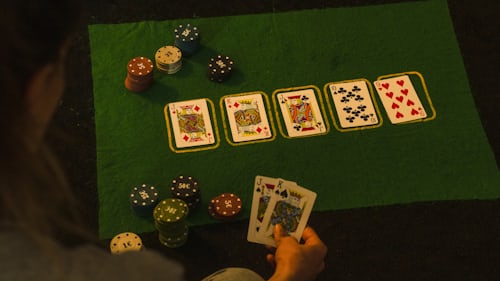
Another prevalent bias is the illusion of control, where gamblers overestimate their ability to influence the outcome of inherently random games like slot machines or roulette. This psychological phenomenon can reinforce the behavior of placing bets despite unfavorable odds, ultimately impacting overall gambling strategy and execution.
The Importance of Emotions in Betting Decisions
Emotions play a critical role in the decisions made by gamblers. When players are in a heightened emotional state, whether due to excitement from a recent win or frustration from losses, their judgment can become impaired. This emotional turbulence may lead to impulsive betting, where rational strategies are abandoned for immediate gratification.
Furthermore, emotional attachment to games or specific betting strategies can cloud judgment. Gamblers often develop a sense of loyalty to certain games or devices, which can lead them to ignore statistically better choices, ultimately affecting their long-term success in the casino environment.
The Influence of Environment on Gambling Behavior
The physical and social environment of a casino significantly influences gambling psychology. The design of a casino is intentionally crafted to create an atmosphere that encourages prolonged play and spending. Factors such as lighting, sound, and layout create an immersive experience that can distract players from time and their bankroll.
Moreover, the social aspect of gambling can enhance both positive and negative behaviors. Being surrounded by others can either motivate players to bet larger amounts or create pressure that leads to rash decisions. Understanding how the environment impacts behavior can help gamblers develop more effective strategies by recognizing and mitigating these external influences.
Strategies for Psychological Resilience in Gambling
For gamblers, developing psychological resilience is essential to maintain control and make informed decisions. Establishing a strong self-awareness of one’s betting patterns and emotional responses can significantly improve decision-making processes. This awareness can enable players to recognize when their emotions are influencing their bets and help them step back to reassess their strategies.
Additionally, implementing strict bankroll management techniques can help mitigate the emotional rollercoaster often associated with gambling. By setting limits and adhering to a budget, players can foster a more disciplined approach, allowing them to remain focused on long-term strategies rather than short-term emotional highs and lows.
Enhancing English Skills for Gamblers
Understanding the intricacies of gambling also includes enhancing language skills, which can improve communication and comprehension in casino environments. For non-native English speakers, grasping gambling terminology and strategies can be challenging. However, resources like English for Students provide valuable tools to boost language proficiency and confidence in these high-stakes situations.
By improving their English skills, gamblers can better engage with others, understand game rules, and navigate the often-complex world of betting. This knowledge not only enhances their gaming experience but also contributes to more informed decision-making, ultimately leading to a more successful gambling strategy.